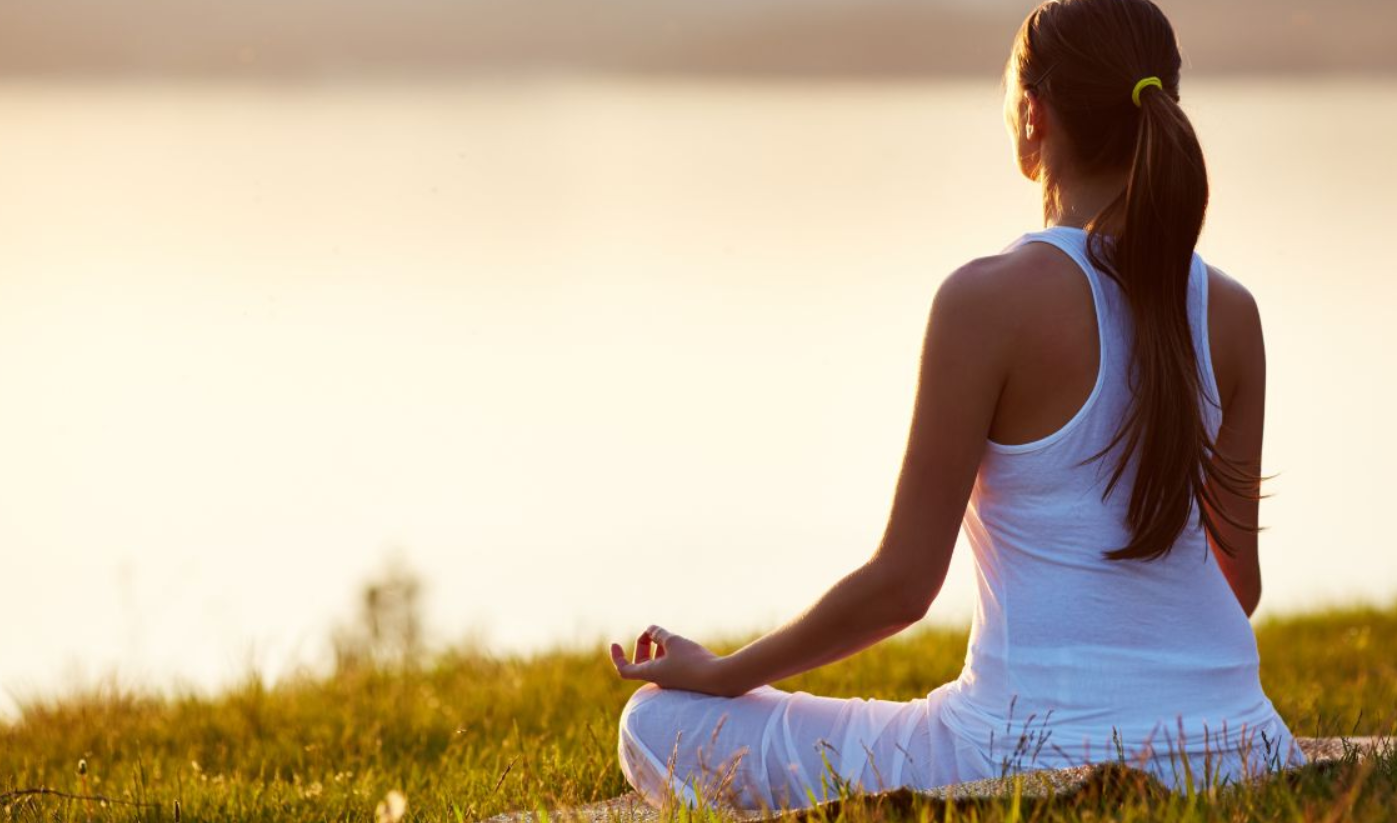
Meditation is an ancient practice that has gained worldwide recognition for its ability to reduce stress, improve focus, and enhance overall well-being. In today’s fast-paced world, stress is a common challenge that affects both mental and physical health, and meditation provides a simple yet powerful solution.
This guide will help beginners understand what meditation is, its benefits, different techniques, and tips to incorporate it into daily life.
Why Meditation is Effective for Stress Relief
- Reduces Cortisol Levels: Meditation lowers the stress hormone cortisol, helping regulate mood and reduce anxiety.
- Improves Focus and Clarity: Regular practice enhances attention span and mental clarity, making stressful situations easier to handle.
- Promotes Relaxation: Meditation activates the parasympathetic nervous system, triggering the body’s natural relaxation response.
- Supports Emotional Health: Mindfulness meditation can reduce symptoms of depression and anxiety while improving self-awareness.
- Boosts Physical Health: Meditation has been linked to lower blood pressure, improved sleep, and reduced risk of chronic diseases.
Popular Meditation Techniques for Beginners
1. Mindfulness Meditation
- Focus on the present moment without judgment.
- Pay attention to your breathing, thoughts, and bodily sensations.
- Start with 5–10 minutes daily, gradually increasing duration.
2. Guided Meditation
- Listen to a meditation guide or audio track that leads you through visualization or relaxation exercises.
- Great for beginners who struggle to meditate independently.
3. Breath Awareness Meditation
- Concentrate solely on your breath—inhale, exhale, and pause.
- Helps calm the mind and reduce stress quickly.
4. Body Scan Meditation
- Focus sequentially on different parts of the body, noticing tension and consciously relaxing each area.
- Enhances body awareness and reduces physical stress.
5. Loving-Kindness Meditation (Metta)
- Cultivate feelings of compassion and kindness toward yourself and others.
- Improves emotional resilience and positive outlook.
Tips to Get Started with Meditation
- Choose a Quiet Space: Minimize distractions to enhance focus.
- Start Small: 5–10 minutes daily is sufficient for beginners.
- Consistency Matters: Meditate at the same time each day to build a habit.
- Comfortable Position: Sit or lie down comfortably without straining your body.
- Use Apps and Resources: Apps like Headspace, Calm, Insight Timer can provide guided sessions.
- Be Patient: It’s normal for the mind to wander; gently return focus to breathing or meditation object.
Benefits of Regular Meditation
- Reduced Stress and Anxiety: Lower cortisol levels and increased relaxation.
- Improved Sleep: Helps calm the mind, promoting deeper and restful sleep.
- Enhanced Emotional Health: Greater self-awareness, empathy, and emotional balance.
- Better Focus and Productivity: Sharper attention, memory, and decision-making.
- Physical Health Support: Lower blood pressure, improved heart health, and reduced inflammation.
FAQs About Meditation
1. How long should a beginner meditate?
Start with 5–10 minutes per day and gradually increase to 20–30 minutes as comfort improves.
2. Do I need to sit cross-legged on the floor?
No. Sit comfortably in a chair, lie down, or use cushions. The key is comfort and posture that supports focus.
3. Can meditation replace therapy or medication?
Meditation complements but does not replace professional therapy or medication. It is a supportive tool for stress and mental well-being.
4. How soon will I see results?
Some benefits, like reduced stress, can appear within a few days to weeks of consistent practice.
5. Can children meditate?
Yes! Children can practice short, guided meditations to improve focus and emotional regulation.
Conclusion
Meditation is a simple yet powerful tool for managing stress, improving mental clarity, and enhancing overall health. Beginners can start with short sessions, guided exercises, or breath-focused techniques, gradually making meditation a part of their daily routine.
By dedicating even 5–10 minutes a day, you can experience reduced stress, better sleep, enhanced focus, and emotional balance. Meditation is not just a practice—it’s a path to mental resilience and inner calm in a busy world.