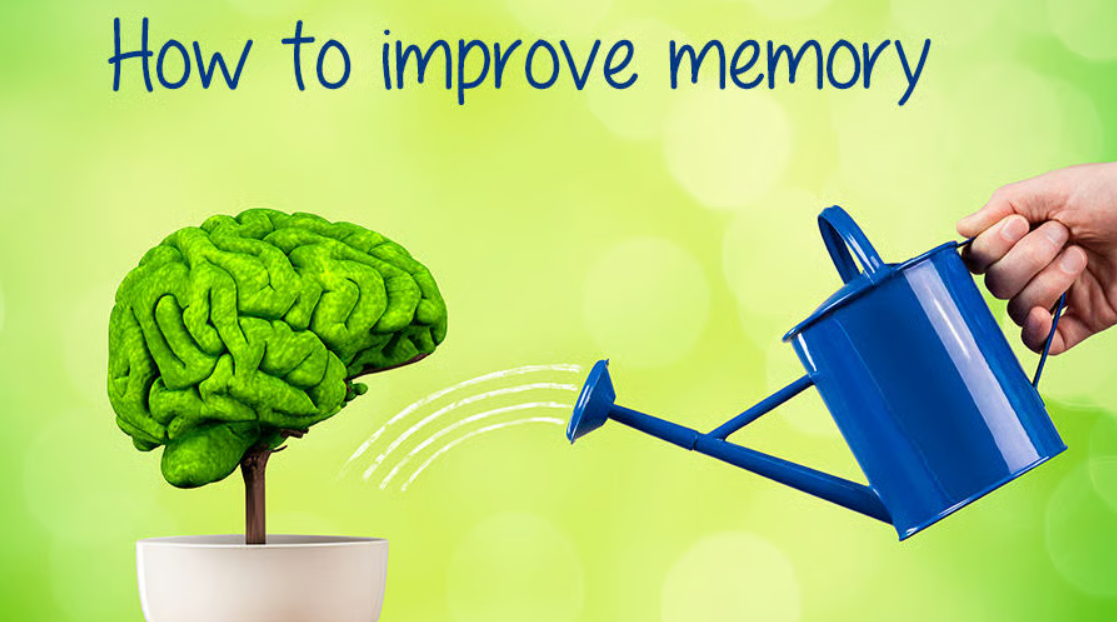
Memory is an essential part of our daily lives, influencing learning, work, and personal development. While occasional forgetfulness is normal, improving memory can help enhance focus, productivity, and cognitive performance.
Scientific research has identified several techniques and lifestyle habits that can effectively boost memory. This article explores practical strategies, brain exercises, and lifestyle adjustments backed by science.
Why Memory Matters
- Learning and Education: Strong memory allows you to retain knowledge and apply it effectively.
- Work Performance: Memory skills help in organizing tasks, recalling important information, and problem-solving.
- Everyday Life: Remembering names, appointments, and daily tasks improves efficiency and reduces stress.
- Cognitive Health: Maintaining memory function can reduce the risk of cognitive decline as you age.
Science-Backed Techniques to Boost Memory
1. Use Mnemonic Devices
- Techniques like acronyms, rhymes, or visual imagery make information easier to remember.
- Example: Remembering the colors of the rainbow with ROYGBIV (Red, Orange, Yellow, Green, Blue, Indigo, Violet).
2. Practice Spaced Repetition
- Reviewing information at increasing intervals helps transfer it from short-term to long-term memory.
- Tools like Anki or Quizlet can assist in this technique.
3. Engage in Brain Exercises
- Puzzles, crosswords, Sudoku, and memory games stimulate neural pathways.
- Even apps like Lumosity or Peak can provide structured brain training.
4. Maintain Physical Exercise
- Regular physical activity increases blood flow to the brain, promoting neurogenesis and memory retention.
- Activities like walking, swimming, or yoga are particularly beneficial.
5. Prioritize Sleep
- Sleep plays a critical role in memory consolidation, helping transfer short-term memories into long-term storage.
- Adults should aim for 7–9 hours of quality sleep per night.
6. Eat Brain-Boosting Foods
- Omega-3 fatty acids: Salmon, flaxseeds, walnuts
- Antioxidants: Blueberries, dark chocolate, green tea
- Vitamins: Leafy greens for vitamin K and B vitamins
7. Reduce Stress
- Chronic stress releases cortisol, which can impair memory and learning.
- Techniques like meditation, deep breathing, and mindfulness improve memory function.
8. Stay Socially Active
- Engaging in conversations, group activities, or clubs stimulates cognitive function and enhances memory.
Sample Daily Routine to Boost Memory
- Morning: 10-minute meditation + omega-3 rich breakfast
- Midday: Short walk + practice new vocabulary or fact recall
- Afternoon: Brain exercises (puzzles or quizzes)
- Evening: Review notes using spaced repetition + light physical activity
- Night: 7–9 hours of quality sleep
FAQs About Memory Improvement
1. Can memory really improve with age?
Yes! While aging affects memory, consistent brain exercises, healthy lifestyle, and proper sleep can maintain and even improve memory.
2. Do supplements help memory?
Some supplements like omega-3 fatty acids, ginkgo biloba, and vitamin B complex may support brain health, but healthy diet and lifestyle are more effective.
3. How long does it take to notice improvement?
Small improvements can appear within weeks, while long-term benefits develop over months of consistent practice.
4. Are digital apps effective for memory?
Yes, apps using spaced repetition, puzzles, or memory challenges can improve cognitive performance when used consistently.
5. Can multitasking affect memory?
Yes. Multitasking can reduce focus and prevent effective memory formation, so single-tasking is recommended for learning.
Conclusion
Memory is a skill that can be trained and enhanced with the right strategies. By combining mnemonic devices, brain exercises, quality sleep, healthy nutrition, and stress management, anyone can boost memory function.
Start small: try 5–10 minutes of brain exercises daily, add memory-friendly foods to your diet, and maintain a consistent sleep schedule. Over time, these habits can strengthen cognitive performance, increase focus, and improve overall mental sharpness.