In today’s rapidly changing world, learning does not end after school or university. New technologies, industries, and ideas continue to reshape society, making it essential for individuals to keep learning throughout their lives. This continuous process of gaining knowledge and skills is known as lifelong learning.
Lifelong learning helps people stay adaptable, competitive, and intellectually active. It allows individuals to expand their abilities, explore new interests, and remain relevant in a constantly evolving environment.
This article explains what lifelong learning is, why it is important, and how individuals can develop a habit of continuous learning.
What Is Lifelong Learning?
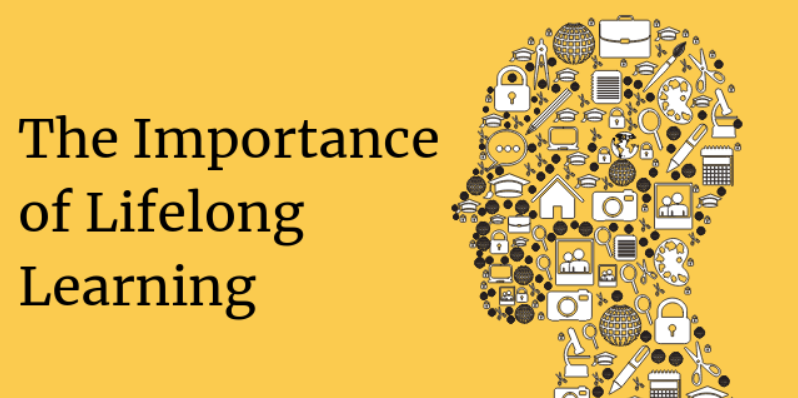
Lifelong learning refers to the ongoing pursuit of knowledge and skills throughout a person’s life. It includes both formal education and informal learning experiences.
Examples of lifelong learning include:
Taking online courses
Learning a new language
Reading books or research articles
Developing new professional skills
Exploring hobbies or creative activities
The goal is to continuously improve knowledge and abilities for personal and professional growth.
Why Lifelong Learning Is Important
The modern world is changing faster than ever. New technologies and industries require individuals to adapt and update their knowledge regularly.
Here are several key reasons why lifelong learning is essential.
- Adapting to Technological Changes
Technology evolves rapidly, transforming many industries and professions.
Skills that were valuable ten years ago may become outdated today. Continuous learning helps individuals stay updated with new technologies and tools.
For example:
Learning digital skills
Understanding artificial intelligence
Developing data analysis abilities
These skills are increasingly important in the modern workforce.
- Improving Career Opportunities
Employers value individuals who are willing to learn and grow.
People who regularly upgrade their skills are more likely to:
Gain promotions
Transition to new career paths
Increase earning potential
Continuous learning demonstrates initiative, adaptability, and motivation.
- Enhancing Problem-Solving Skills
Learning new information exposes individuals to different perspectives and ideas.
This helps develop:
Critical thinking
Analytical abilities
Creative problem-solving skills
These abilities are valuable in both professional and personal decision-making.
- Boosting Self-Confidence
Learning new skills can significantly improve confidence.
When individuals successfully acquire new knowledge, they develop a stronger belief in their ability to handle challenges and achieve goals.
This confidence often leads to greater motivation and personal satisfaction.
- Encouraging Personal Growth
Lifelong learning is not only about professional development. It also enriches personal life by expanding knowledge and experiences.
Learning about new cultures, philosophies, or artistic skills can create greater appreciation for the world.
Personal growth contributes to overall happiness and fulfillment.
Ways to Practice Lifelong Learning
Developing a habit of continuous learning does not require returning to traditional classrooms. There are many accessible ways to learn in everyday life.
- Online Learning Platforms
The internet has made education more accessible than ever.
Popular platforms include:
Coursera
Udemy
edX
Khan Academy
These platforms offer courses in topics ranging from technology and business to psychology and art.
- Reading Books and Articles
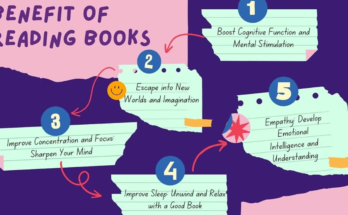
Reading remains one of the most effective ways to gain knowledge.
Books and research articles allow readers to explore topics in depth and develop critical thinking skills.
- Learning New Skills
Developing new practical skills keeps the mind active and engaged.
Examples include:
Learning a musical instrument
Practicing photography
Coding or programming
Cooking new cuisines
These activities combine learning with creativity and enjoyment.
- Attending Workshops and Seminars
Workshops and seminars provide opportunities to learn from experts and interact with other learners.
They can also help build professional networks and collaborative relationships.
- Listening to Educational Podcasts
Podcasts are a convenient way to learn while commuting, exercising, or relaxing.
Many podcasts discuss topics such as:
Science
Technology
Business
Personal development
This makes learning possible even during busy schedules.
Overcoming Barriers to Lifelong Learning
Some people hesitate to pursue continuous learning due to common obstacles.
Lack of Time
Busy schedules can make learning difficult. However, even 20–30 minutes daily can be enough to develop new knowledge.
Fear of Failure
Some individuals worry about making mistakes when learning something new. It is important to remember that mistakes are a natural part of growth and improvement.
Limited Resources
Today, many educational resources are available online for free or at low cost, making learning accessible to most people.
Benefits of Lifelong Learning
The long-term advantages of lifelong learning extend beyond career success.
Key benefits include:
Improved cognitive health
Greater adaptability
Enhanced creativity
Increased confidence
Broader understanding of global issues
Continuous learning keeps the mind active and promotes intellectual curiosity.
FAQs About Lifelong Learning
- Is lifelong learning only for professionals?
No. Lifelong learning benefits people of all ages and backgrounds. It supports both personal interests and career development.
- How much time should I dedicate to learning?
Even 15–30 minutes per day can lead to significant progress over time.
- Can older adults benefit from lifelong learning?
Yes. Continuous learning helps maintain cognitive health and mental stimulation at any age.
- What are the easiest ways to start lifelong learning?
Reading books, watching educational videos, and taking short online courses are simple ways to begin.
- Does lifelong learning improve mental health?
Yes. Learning new things keeps the brain active and can increase motivation, curiosity, and emotional well-being.
Conclusion
Lifelong learning has become essential in the modern world. Rapid technological advancements and evolving industries require individuals to continuously expand their knowledge and skills.
Beyond professional advantages, lifelong learning enriches personal life by encouraging curiosity, creativity, and intellectual growth.
By embracing learning as a lifelong journey, individuals can remain adaptable, confident, and prepared for the challenges and opportunities of the future.Why Lifelong Learning Is Important in the Modern World
Introduction
In today’s rapidly changing world, learning does not end after school or university. New technologies, industries, and ideas continue to reshape society, making it essential for individuals to keep learning throughout their lives. This continuous process of gaining knowledge and skills is known as lifelong learning.
Lifelong learning helps people stay adaptable, competitive, and intellectually active. It allows individuals to expand their abilities, explore new interests, and remain relevant in a constantly evolving environment.
This article explains what lifelong learning is, why it is important, and how individuals can develop a habit of continuous learning.
What Is Lifelong Learning?
Lifelong learning refers to the ongoing pursuit of knowledge and skills throughout a person’s life. It includes both formal education and informal learning experiences.
Examples of lifelong learning include:
Taking online courses
Learning a new language
Reading books or research articles
Developing new professional skills
Exploring hobbies or creative activities
The goal is to continuously improve knowledge and abilities for personal and professional growth.
Why Lifelong Learning Is Important
The modern world is changing faster than ever. New technologies and industries require individuals to adapt and update their knowledge regularly.
Here are several key reasons why lifelong learning is essential.
- Adapting to Technological Changes
Technology evolves rapidly, transforming many industries and professions.
Skills that were valuable ten years ago may become outdated today. Continuous learning helps individuals stay updated with new technologies and tools.
For example:
Learning digital skills
Understanding artificial intelligence
Developing data analysis abilities
These skills are increasingly important in the modern workforce.
- Improving Career Opportunities
Employers value individuals who are willing to learn and grow.
People who regularly upgrade their skills are more likely to:
Gain promotions
Transition to new career paths
Increase earning potential
Continuous learning demonstrates initiative, adaptability, and motivation.
- Enhancing Problem-Solving Skills
Learning new information exposes individuals to different perspectives and ideas.
This helps develop:
Critical thinking
Analytical abilities
Creative problem-solving skills
These abilities are valuable in both professional and personal decision-making.
- Boosting Self-Confidence
Learning new skills can significantly improve confidence.
When individuals successfully acquire new knowledge, they develop a stronger belief in their ability to handle challenges and achieve goals.
This confidence often leads to greater motivation and personal satisfaction.
- Encouraging Personal Growth
Lifelong learning is not only about professional development. It also enriches personal life by expanding knowledge and experiences.
Learning about new cultures, philosophies, or artistic skills can create greater appreciation for the world.
Personal growth contributes to overall happiness and fulfillment.
Ways to Practice Lifelong Learning
Developing a habit of continuous learning does not require returning to traditional classrooms. There are many accessible ways to learn in everyday life.
- Online Learning Platforms
The internet has made education more accessible than ever.
Popular platforms include:
Coursera
Udemy
edX
Khan Academy
These platforms offer courses in topics ranging from technology and business to psychology and art.
- Reading Books and Articles
Reading remains one of the most effective ways to gain knowledge.
Books and research articles allow readers to explore topics in depth and develop critical thinking skills.
- Learning New Skills
Developing new practical skills keeps the mind active and engaged.
Examples include:
Learning a musical instrument
Practicing photography
Coding or programming
Cooking new cuisines
These activities combine learning with creativity and enjoyment.
- Attending Workshops and Seminars
Workshops and seminars provide opportunities to learn from experts and interact with other learners.
They can also help build professional networks and collaborative relationships.
- Listening to Educational Podcasts
Podcasts are a convenient way to learn while commuting, exercising, or relaxing.
Many podcasts discuss topics such as:
Science
Technology
Business
Personal development
This makes learning possible even during busy schedules.
Overcoming Barriers to Lifelong Learning
Some people hesitate to pursue continuous learning due to common obstacles.
Lack of Time
Busy schedules can make learning difficult. However, even 20–30 minutes daily can be enough to develop new knowledge.
Fear of Failure
Some individuals worry about making mistakes when learning something new. It is important to remember that mistakes are a natural part of growth and improvement.
Limited Resources
Today, many educational resources are available online for free or at low cost, making learning accessible to most people.
Benefits of Lifelong Learning
The long-term advantages of lifelong learning extend beyond career success.
Key benefits include:
Improved cognitive health
Greater adaptability
Enhanced creativity
Increased confidence
Broader understanding of global issues
Continuous learning keeps the mind active and promotes intellectual curiosity.
FAQs About Lifelong Learning
- Is lifelong learning only for professionals?
No. Lifelong learning benefits people of all ages and backgrounds. It supports both personal interests and career development.
- How much time should I dedicate to learning?
Even 15–30 minutes per day can lead to significant progress over time.
- Can older adults benefit from lifelong learning?
Yes. Continuous learning helps maintain cognitive health and mental stimulation at any age.
- What are the easiest ways to start lifelong learning?
Reading books, watching educational videos, and taking short online courses are simple ways to begin.
- Does lifelong learning improve mental health?
Yes. Learning new things keeps the brain active and can increase motivation, curiosity, and emotional well-being.
Conclusion
Lifelong learning has become essential in the modern world. Rapid technological advancements and evolving industries require individuals to continuously expand their knowledge and skills.
Beyond professional advantages, lifelong learning enriches personal life by encouraging curiosity, creativity, and intellectual growth.
By embracing learning as a lifelong journey, individuals can remain adaptable, confident, and prepared for the challenges and opportunities of the future.